January 6 Was Practice
On the GOP and the next election.
On the GOP and the next election.
A Thanksgiving story about the limits of human empathy.
James and Lindsay Sulzer have spent their careers developing technologies to help people recover from disease or injury. Their daughter’s freak accident changed their work—and lives—forever.
Inside Alden Global Capital.
We don’t often talk about how a paper’s collapse makes people feel: less connected, more alone.
Could that finally be changing?
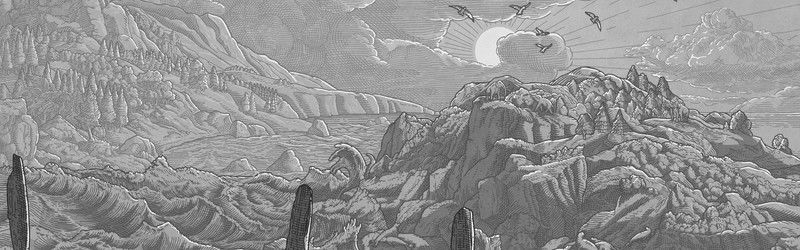
Did people first come to this continent by land or by sea?
Many long-haulers feel that science is failing them. Neglecting them could make the pandemic even worse.
Cases of COVID-19 are rising fast. Vaccine uptake has plateaued. The pandemic will be over one day—but the way there is different now.
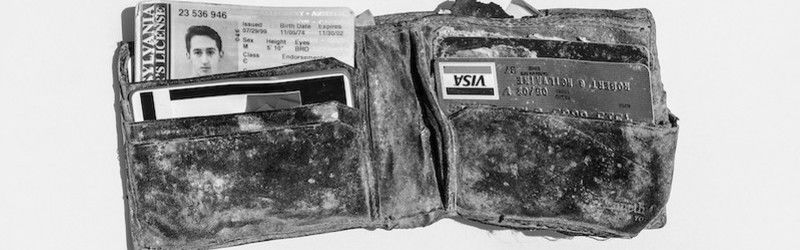
Grief, conspiracy theories, and one family’s search for meaning in the two decades since 9/11.
In 1955, just past daybreak, a Chevrolet truck pulled up to an unmarked building. A 14-year-old child was in the back.
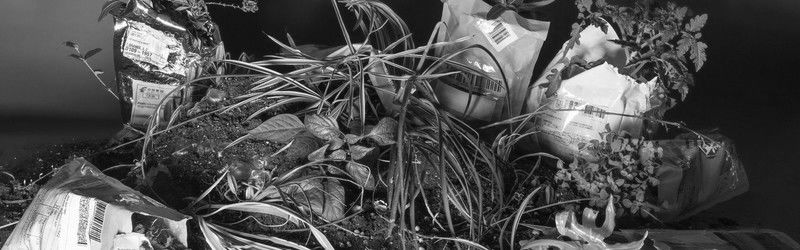
Why did so many Americans receive strange packages they didn’t think they’d ordered?
A celebrated Uyghur writer gives a first-person account of the genocide in Xinjiang.
Too much has been lost already. The glue that holds humanity’s knowledge together is coming undone.
For some Americans, history isn’t the story of what actually happened; it’s the story they want to believe.
A little alcohol can boost creativity and strengthen social ties. But there’s nothing moderate, or convivial, about the way many Americans drink today.
He covered car accidents for a years as a journalist. Then he was in two himself.
In 1974, John Patterson was abducted by the People’s Liberation Army of Mexico—a group no one had heard of before. The kidnappers wanted $500,000, and insisted that Patterson’s wife deliver the ransom.
The jewels of America’s landscape should belong to America’s original peoples.

What if people don’t just invent medical symptoms to get attention—what if they feign oppression, too?
Elite schools breed entitlement, entrench inequality—and then pretend to be engines of social change.
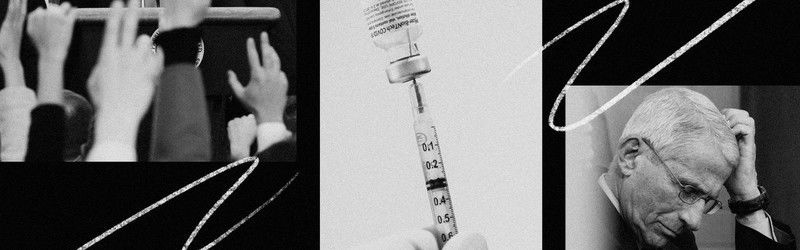
The assumptions made by public officials, and the choices made by media, too often backfired.
How Abraham Lincoln’s lifelong struggle with clinical depression was a key to his presidency.
The Federal Writers’ Project narratives provide an all-too-rare link to our past.
Our climate models could be missing something big.

