I Had a Chance to Travel Anywhere. Why Did I Pick Spokane?
Increasingly worn down by the pandemic, a dad goes to a baseball game.
Increasingly worn down by the pandemic, a dad goes to a baseball game.
The Atlanta Braves-New York Mets game from Sept. 21, 2001, remains a historic moment of grief, mourning, and hope after 9/11.
How the Baltimore Orioles first baseman overcame stage 3 colon cancer.
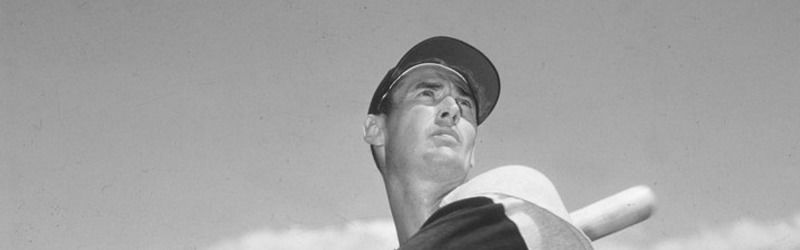
On the retirement of Ted Williams.
On the Long Island Inferno, two fathers, both with complicated pasts took it all too far. Neither man was ever the same.
On the Yonkers Hoot Owls.
On the death of a major league pitcher and its aftermath.
The All-American Girls Professional Baseball League did everything it could to keep lesbians off the diamond. Seventy-five years later, its gay stars are finally opening up.
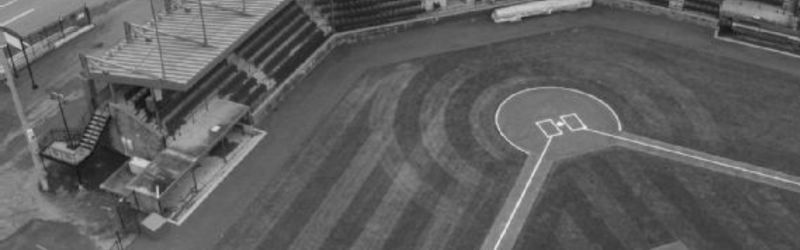
When a car careened onto a baseball field in Sanford, Maine, during a Babe Ruth game in 2018, it set in motion a true-crime mystery 50 years in the making.
Myth, storytelling, and lore in the most disappointing clubhouses of America’s pastime.
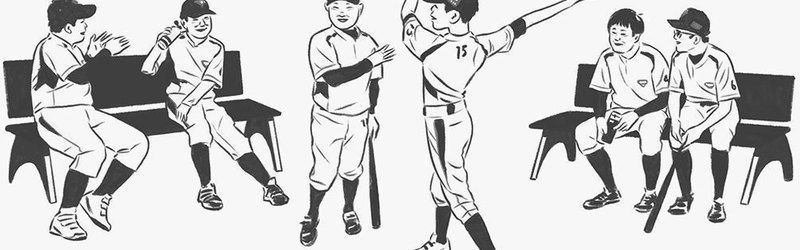
In American baseball, flipping your bat is frowned upon. In South Korea, it’s an art.
Happy 59th! Or is it 58th? Cracking the mystery of Don Mattingly’s birthday.
The families Dodger Stadium removed.
A Major League umpire learns that his children share the same deadly genetic disease.
A woman told police she was raped by three New York Mets. They were never charged.
I cannot burden my family with worry, because to be a burden worse than not being family at all. Like everyone else, I came to the ballpark to get away from something.
Mexico is now importing lots of its baseball talent from America.
A profile of a previously unknown rookie pitcher for the Mets who dropped out of Harvard, made a spiritual quest to Tibet, and somewhere along the line figured out how to throw a baseball much, much faster than anyone else on Earth.

The joys of watching baseball.
The true story of a ring of thieves who stole millions of dollars’ worth of luxury watches—and the special agent who brought them down.
How prison changed the former pro scout.
A profile of the postwar Bronx Bombers.
Things might have been very different for the Chicago White Sox
Riding along with the Mets broadcast trio, the main reason to watch the team.
Hanging out with the AirHogs of Grand Prairie.

