The Murder Chicago Didn’t Want to Solve
In 1963, a Black politician named Ben Lewis was shot to death in Chicago. Clues suggest the murder was a professional hit. Decades later, it remains no accident authorities never solved the crime.
In 1963, a Black politician named Ben Lewis was shot to death in Chicago. Clues suggest the murder was a professional hit. Decades later, it remains no accident authorities never solved the crime.
Police body cams were supposed to change everything in Chicago. But a lot of them were rarely turned on.
A look at Chicago’s DJ culture in the ’90s.
One day in 1997, Sneak promised his friend and fellow Chicago DJ Derrick Carter a new 12-inch for Carter's label Classic, then spent hours fruitlessly laboring over a basic, bustling four-four beat. Finally, Sneak gave in and smoked the J he'd had stashed for later in the day. When he came back inside, he carelessly dropped the needle onto a Teddy Pendergrass LP, heard the word "Well . . . ," and realized, "That's the sample, right there." He threaded Pendergrass's 20-year-old disco hit "You Can't Hide From Yourself" through a low-pass filter to give it the effect of going in and out of aural focus, creating one of the definitive Chicago house singles.
Reexamining the murder of James Jordan.
Things might have been very different for the Chicago White Sox
Twenty-five years after her career-making album, Liz Phair is still writing songs first and foremost for herself.
Sitting with a group of mothers who lost a child.
The story of a Puerto Rican family trying to get settled in Chicago after Hurricane Maria.
“You got the DNA of a motherfucking go-getter.”
Forty-seven years later, two daughters meet.
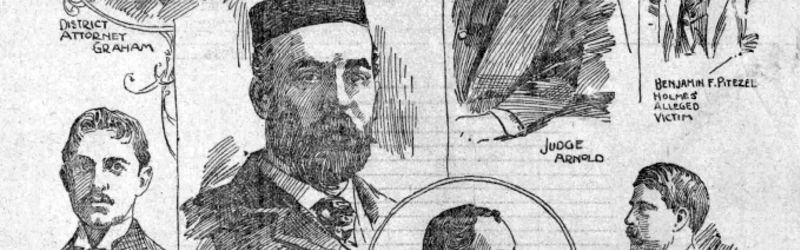
On H.H. Holmes “an old hand at corpse manipulation and insurance fraud,” who built a house of death in 1890s Chicago.
A personal history of house moving.
During my first weeks in Rogers Park, I was surprised by how often I heard the word “pioneer”. I heard it first from the white owner of an antiques shop with signs in the windows that read: “Warning, you are being watched and recorded.” When I stopped off in his shop, he welcomed me to the neighbourhood warmly and delivered an introductory speech dense with code. This neighbourhood, he told me, needs “more people like you”. He and other “people like us” were gradually “lifting it up”.
Excerpted from Notes From No Man’s Land
“If we’re sitting here bored, getting high and we got guns around, it ain’t nothing else to do.”
A profile of Theo Epstein, the architect behind the Chicago Cubs.
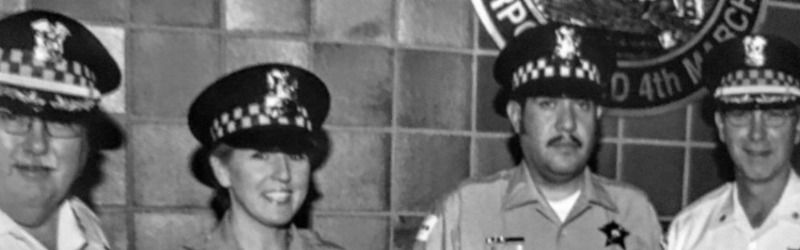
Two officers discovered rampant corruption and criminal activity at the heart of Chicago’s police department. Then they were punished by their peers. A four-part series.
A sociologist embeds with a gang in Chicago.
"Los Angeles is a weird, complicated town for him. It's where all the record labels are, for one thing. And Chancelor Bennett, as he was born, is unsigned. Won't sign. It's maybe the most interesting, improbable music-industry story going right now—a young, obviously gifted rapper, universally hailed as the heir to Kanye and leader of a new generation of Internet-savvy kids who think of Jay Z as a failed tech entrepreneur, now on his fourth year of refusing to sign with a label."
Violence convulses the city of Chicago after dark. Reporting on it leaves its own scars.
For decades, the lead actor at an acclaimed storefront Chicago theater beat, groped, and choked his female co-stars in front of audiences, while manipulating them into coercive relationships offstage.

Three days, 64 people shot, six of them dead: Memorial Day weekend in Chicago.
Shot and killed just shy of his 18th birthday, Deonte Hoard was one of 489 homicide victims in Chicago last year. How this happened—and how it keeps happening—is both one person’s story and the story of how a community has been forced to adjust to murder as an everyday fact of life.
The activists fighting for police reform in the wake of a video that showed a black teenager shot 16 times by a white cop.
A civil trial of Officer Marco Proano, who shot Niko Husband in 2011, finds him not guilty. By accident.
When cops kill civilians, their union is on hand to defend them. In many cases this has come at the expense of the truth.

