The Swedish Serial Killer Who Never Was
Thomas Quick confessed to more than 30 murders. But the man also known as Sture Bergwall may not have committed any of them.
Thomas Quick confessed to more than 30 murders. But the man also known as Sture Bergwall may not have committed any of them.
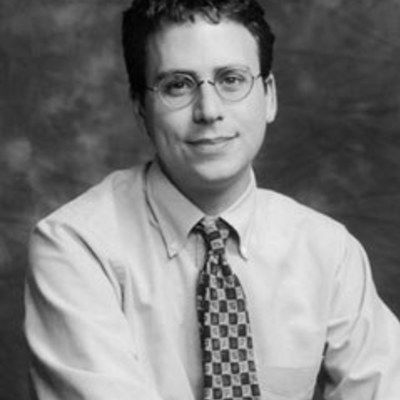
At 25, Stephen Glass was the most sought-after young reporter in the nation’s capital, producing knockout articles for magazines ranging from The New Republic to Rolling Stone. Trouble was, he made things up—sources, quotes, whole stories—in a breathtaking web of deception that emerged as the most sustained fraud in modern journalism.

A profile of a previously unknown rookie pitcher for the Mets who dropped out of Harvard, made a spiritual quest to Tibet, and somewhere along the line figured out how to throw a baseball much, much faster than anyone else on Earth.
Jered Threatin tried to fake his way to fame and got caught red-handed. Or did he?

A 23-year-old living in Chile was suddenly attacked and buried alive by her roommate. She later learned she wasn’t his first – or last – victim.
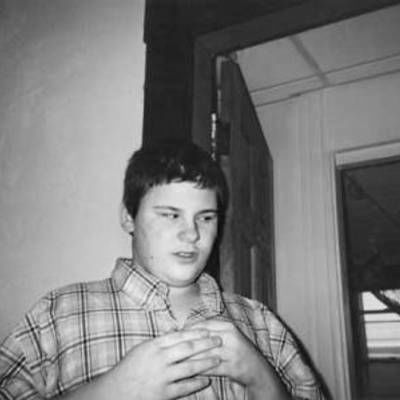
Matthew Weigman was blind, overweight, 14, and alone. He could also do anything he wanted with a phone. Sometimes that meant calling Lindsay Lohan. Other times it meant sending a SWAT team to an enemy’s door.
The story of an 80-year-old hoax.
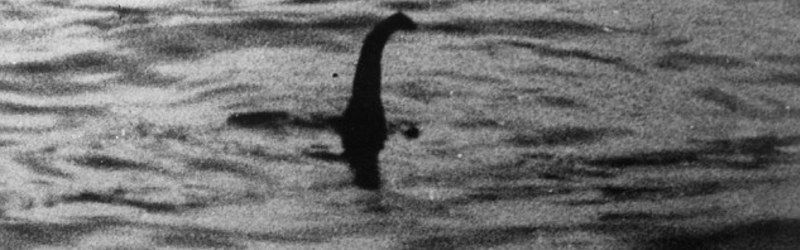
A trip to Scotland and an investigation of enduring belief.
“I remember reading about the deathbed confession, and how strangely sad it made me, even though I had not, at that point, believed in the monster for years. How much sadder, I wondered, would it make those who still believed in the existence of a monster in Loch Ness?”
Inside a pageview scam.
Best Article Crime History Science
A trip to the Museum of Jurassic Technology in Los Angeles.
Wayne Simmons was ideal conservative commentator. A former C.I.A. operative, he ate lunch with Donald Rumsfeld, took trips to Guantánamo aboard Air Force Two, and pumped the party line on Fox News. There was only one problem: Simmons had never been in the C.I.A.
Inside one woman’s often conflicted world.
A high school student disappears, only to turn up more than 10 years later – posing as a high school student.

Uncovering the real story behind Capote’s Hand-Carved Coffins.
Alex Malarkey co-wrote a bestselling book about a near-death experience. Last week he admitted he made it up. Why wasn’t anyone listening to a quadriplegic boy and a mother who simply wanted to tell the truth?
The strange case of Kip Litton, road race fraud.
An author confronts her troll.
Jeff Walton is a 69-year-old plumber with a wife and 35-year-old son. It turns out he’s also Ronald Stan, a Canadian man who faked his own death in 1977.
The life and times of James McClintock, the man behind the famed H.L. Hunley who also may or may not have faked his own death.
The catfishing of Chris Andersen.
A pastor-turned-banker fakes his own death after allegedly embezzling millions and defrauding investors.
Is a well-received work of William Faulkner scholarship a hoax?
How a rogue p.r. man pulled a fast one on professional hockey.
On the science of being fooled.
The first principle is that you must not fool yourself--and you are the easiest person to fool.
Charlie Rowan was a small-time cage fighter who couldn’t catch a break. He owed money to impatient people and needed to start over. Late one night, he came up with a plan.

