Loving Lies
Stephen Glass, the most notorious fraud in journalism, decided he would live by one simple rule: Always tell the truth. Then he broke that rule.
Stephen Glass, the most notorious fraud in journalism, decided he would live by one simple rule: Always tell the truth. Then he broke that rule.
Scare stories on “left-wing illiberalism” display a familiar pattern.
We don’t often talk about how a paper’s collapse makes people feel: less connected, more alone.
On the veracity of documentary filmmaking.
In just a few years, he’s become one of the most fearsome media figures in the country—mobilizing his vast Twitter following to promote his famous friends and punish foes. Can his own past survive similar scrutiny?
Twenty-five years later, the BBC investigates its own reporter.
A cohort of journalists is drowning in burnout, trauma, and moral injury.
The newsletter service is a software company that, by mimicking some of the functions of newsrooms, has made itself difficult to categorize.
At The New York Times, a reckoning.
Black women have been telling the truth about America for a long time. As a Black woman in journalism, my obligation is no less than that.
No one working at Newsweek can tell me why it still exists.
In many countries, journalists are being targeted because of the role they play in ensuring a free and informed society.
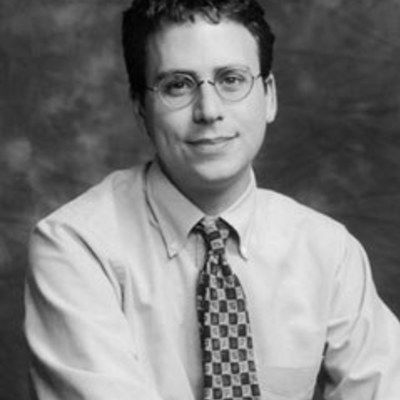
At 25, Stephen Glass was the most sought-after young reporter in the nation’s capital, producing knockout articles for magazines ranging from The New Republic to Rolling Stone. Trouble was, he made things up—sources, quotes, whole stories—in a breathtaking web of deception that emerged as the most sustained fraud in modern journalism.
Lessons from the death of a venture-backed, Facebook-dependent, millennial-focused news site.
An Indian-American journalist navigates racism in the midst of a crime investigation.
What the author learned about himself from Jill Abramson’s Merchants of Truth.
A maverick war correspondent, Hemingway’s third wife was the only woman at D-Day and saw the liberation of Dachau. Her husband wanted her home in his bed.
The original writer of the Village Voice story that inspired “Boys Don’t Cry” looks back on her reporting—and the huge error she still regrets.
How a journalist who wrote a seminal account of police brutality during the 1967 race riots in Newark wound up on the wrong side of the law.
Note From the Editors: As we were reporting this story, Newsweek Media Group fired Newsweek Editor Bob Roe, Executive Editor Ken Li and Senior Politics Reporter Celeste Katz for doing their jobs. Reporters Josh Keefe and Josh Saul were targeted for firing before an editor persuaded the company to reverse its decision. As we continued working on the story, we were asked to take part in a review process, which, we ultimately learned, involved egregious breaches of confidentiality and journalism ethics.
Saul is a Longform contributing editor.
Life as a New York Times reporter in the shadow of the war on terror.
How one of the world’s top conductors became ensnared in a WWI-era scandal.
For 60 years, the weekly Evening Whirl attacked the drug lords, whoring preachers, and hypocritical bourgeoisie of St. Louis’ black community, sometimes in rhyming Iambic couplets.
How Warren Hinckle and Ramparts magazine helped revive muckraking journalism and launch the New Left.
A young journalist spent her days covering sexual assault and domestic violence. Then she became the story.

