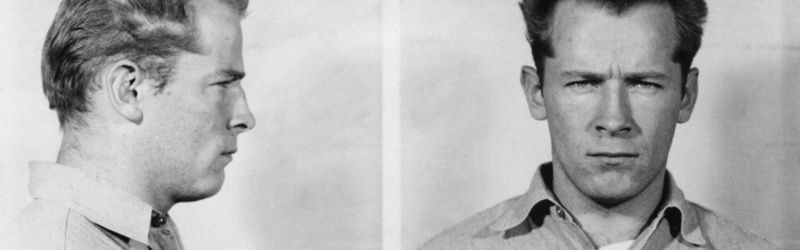
The Bulger Mystique
A four-part investigation of brothers William and James ‘Whitey’ Bulger. One was president of the Massachusetts Senate for 17 years. The other was on the lam for 16 years before being captured.
A four-part investigation of brothers William and James ‘Whitey’ Bulger. One was president of the Massachusetts Senate for 17 years. The other was on the lam for 16 years before being captured.
How modernity – and an eruption of violence – changed “the most remote inhabited island on the Atlantic seaboard.”
Inside a small town revived by an influx of immigrants and then destroyed by a Homeland Security raid.
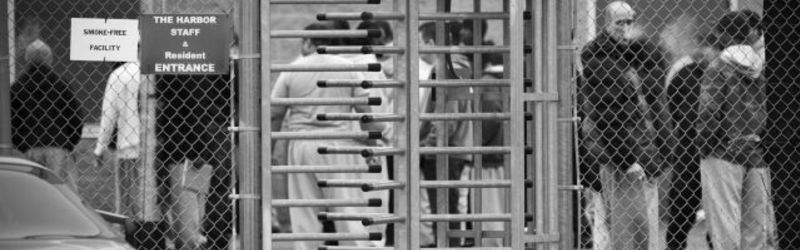
A three-part investigation into New Jersey’s halfway house system.
The decline and fall of Cabrini-Green, Chicago’s infamous public housing development.
The political fight over a new football stadium in Minnesota.
The author reflects on his mayoral run with Norman Mailer against John Lindsay.
At the bar one night a couple of weeks after the primary, I looked up from a drink and saw my face and Norman's face floating across the screen on the NBC First Tuesday show. It is a network thing, and they did a 20-minute look at our campaign. The show reinforced my opinion that Norman and I had some of the most terrific lows in the history of anything that ever took place in this city. And, perhaps, a couple of highs that could be recognized as time passes a bit. Like maybe colleges for years will be using the things Norman Mailer was saying out in the streets.
On the science of parking spaces.
After decades of failed revitalization strategies, a town of 10,000 tries another.
On the American Legislative Exchange Council, a D.C. nonprofit with a library of more than 800 pieces of fill-in-the-blank legislation ready for state legislatures across the country.
A charismatic entrepreneur, an ex-con turned devout Christian, and the politicians who championed them.
The story of a $36 billion Ponzi scheme in Minnesota.
On the politics of North Carolina.
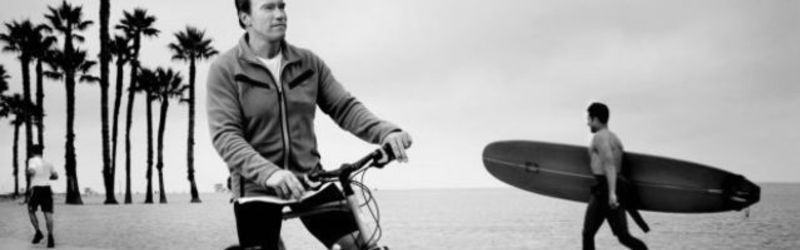
From Vallejo to San Jose, a tour of local government despair:
The relationship between the people and their money in California is such that you can pluck almost any city at random and enter a crisis.
More Lewis: the complete financial disaster tourism series to date.
It’s 11 p.m. when Larson at last agrees to meet me in the lobby of the Hampton Inn, next door to the Gurnee Grand. He’s just come out of a marathon closed-door meeting with his fellow exiled senators. Tall, gap-toothed, and handsome, but with a squished, broad nose, Larson appears in a fitted black overcoat, a sedate suit with a Wisconsin flag lapel pin, and an athletic backpack. He looks shockingly young, younger than his thirty years, and seems to be relieved that I am even a few years younger myself. We jump in my Chevy and head for the town’s late-night diner: Denny’s. By the time we settle into a booth, Larson has dropped the routine political affectations—the measured language, the approved talking points, the inauthentic humor. We’re cracking up comparing Republicans to evildoers on South Park and shit-talking mutual acquaintances in Milwaukee. And then, just as Larson is about to take a bite of his veggie burger, I ask the freshman senator if he is scared. “What would I be scared about?” he replies.
The first profile of Michele Bachmann.
This new strain of Republican is not one Wisconsin, nor the United States, has ever seen...The new Republicans are corporate wrecking crews, given a sledgehammer, a piece of legislation and a command to "make it fit."
On who will bear the burden of the financial crisis facing cities across America. “Will it be articulated in terms of bond defaults or larger kindergarten classes—or no kindergarten classes at all?”
Kansas City’s most powerful political journalist is a 36-year-old blogger who resides in a porn lair in his mother’s basement, posting rants on local government and bikini shots 24-hours-a-day.
How a journalism professor named Dan Sinker became the most entertaining part of the Chicago mayoral race.
The Gabrielle Giffords shooting, from the vantage point of three central figures: Daniel Hernandez helped save the congresswoman’s life; Patricia Maisch stopped the shooter from reloading; Bill Badger tackled him.
On the evolution of New Jersey’s governor.

On 30 years of Long Island politics.
On the enduring racial segregation in Chicago and why it’s an issue no mayoral candidate is willing to touch.
How a young state rep from Missouri, seemingly guaranteed political greatness, ended up behind bars.
On the political climate in Arizona.

