The Birdcage
How franchises became the movie business.
How franchises became the movie business.
On the lost pickup basketball games in D.C. between Wilt Chamberlain and Elgin Baylor, then both still in college, during the summer of 1957.
A conversation with Lin-Manuel Miranda.
A profile of Mo Isom, a former goalie on the LSU women’s soccer team now trying to kick for the football team.
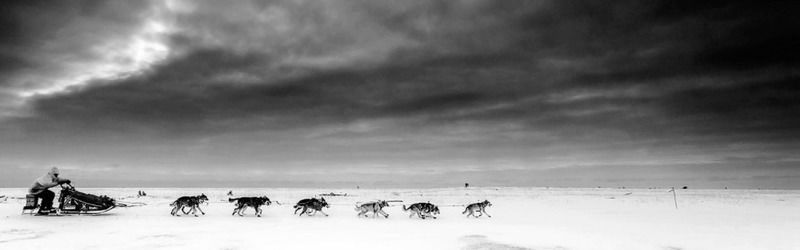
A trip to the Iditarod.

Live from the World Series of Poker.
On the journey of 24-year-old Jose Fernandez, the Cuban defector turned Major League all-star, who died Sunday.
A former Ohio National Guardsman recalls being dunked on by LeBron James as a teenager — and how the James helped get him through the Iraq War.
A year after her death, a tribute to the Saturday Night Live star who didn’t want to be on TV.
How three generations of a Brazilian family evangelized for and fought over the sport of Gracie jiu-jitsu as it moved from the Amazon to Hollywood to the UFC.
Catching up with N.W.A’s controversial former manager.
A broke agent hustles on the extreme fringe of pro basketball.
Nearly 4 years ago, a 12-year-old boy was murdered in a small town in upstate New York. The suspects are well known, but nobody has been convicted of the crime.
The man who gets all the superhero scoops in Hollywood.
On the enduring appeal, both amateur and academic, of man vs. dinosaur.
The ups and downs of a beloved British pop band.
An essay on Floyd Mayweather Jr. as both.
The politics and rhetoric of Trevor Noah’s appointment as the new host of the Daily Show.
The death of Bobby Phills, an NBA player who made one terrible mistake.
A woman thought a Coen brothers movie was a “true story” and tracked it to her death. Now someone’s made a fictional film about her, further blurring the lines between reality and artifice.
Besieged by pirates, and youngsters unused to paying to watch sex, the porn industry just isn’t what it used to be.
“Some of the best lines — and I’ve been lucky to hear really nutso lines over the years — are not in response to any kind of question. It’s in response to, ‘I don’t know.’”
The story of a young man, a lake with some fish, a compound bow and a very bad idea.
The many lives of Josh Tillman, who on the way to releasing one of the year’s best albums was “a defiant child of God, a broke dishwasher, a successful drummer, a Dionysian shaman, a failed poet, a drug-hoovering spiritualist, and a gleeful prankster.”
Irina Pavolva is trying to steer the Brooklyn Nets through a rough patch. Will she make it?

