King of Comedy
The making of Caddyshack.
The making of Caddyshack.
A profile of director Guillermo del Toro.
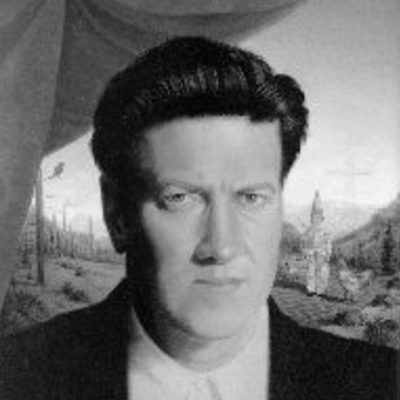
A visit to the set of Lost Highway, minus an actual interview with the director.
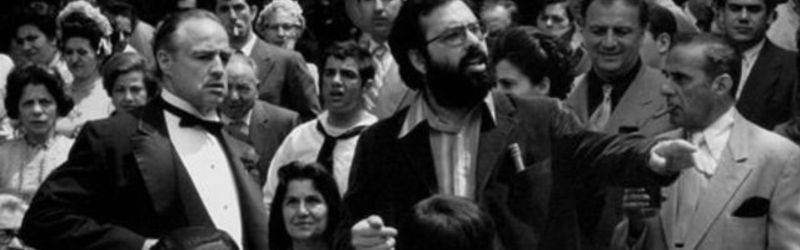
The battle to make The Godfather pitted director Francis Ford Coppola against producers including Robert Evans, and the production itself against the real life mob.
It was the middle of the day in the steamy Philippine jungle and the sun was merciless. Director Francis Ford Coppola, dressed in rumpled white Mao pajamas, was slowly making his way upriver in a motor launch.

Oliver Stone wanted a hit—and the chance to put America’s most iconic dissident onscreen. The subject wanted veto power. The Russian lawyer wanted someone to option the novel he’d written. The American lawyer just wanted the whole insane project to go away. Somehow a film got made.
Behind the scenes with Ice Cube, Cuba Gooding Jr., Angela Bassett, Laurence Fishburne, and a 22-year-old film student named John Singleton.

With The BFG, the filmmaker tackles childhood’s possibilities and terrors once again.
An $140 million blockbuster written and funded by a billionaire, ‘Empires of the Deep’ was supposed to be China’s ‘Avatar,’ featuring mermaids, Greek warriors, pirates, sea monsters, and an even international stars.
Six years after being filmed, the movie has never seen the light of day.
How a 29-year-old actress, reeling from the death of her first love and battling Dustin Hoffman off-screen, found herself on the set of Kramer vs. Kramer.
An oral history of The Right Stuff.
“Does your life have a plot? It has characters. There is a narrative. There’s a lot of story, a lot of character. But plot? Eh, no.”
In Austin in 1973, politicos and hippies could get together and create violent, visionary horror films for $60,000. So they did. The story of how The Texas Chainsaw Massacre got made.
The making of Pulp Fiction.

Dan Akroyd, John Belushi, cocaine, and the making of The Blues Brothers.
The making of Thelma & Louise.
A profile of an up-and-coming director:
Well, according to Woody, his ascent has been a series of painful falls. Success hasn't changed him, Allen insists: he's still a schlemiel. "I'm afraid of the dark and suspicious of the light," he says. "I have an intense desire to return to the womb—anybody's." Ineptitude, Woody goes on, is a family curse.
An oral history of director Michael Bay.
On the eve of the release of The Tree of Life, a look back at the turbulent making of Terence Malick’s debut.
After a final film, Kevin Smith is going to retire to a life of podcasting and speaking tours. Or so he says.
A profile of Zack Snyder, director of Watchmen, Dawn of the Dead, and the upcoming Superman series.
“As we enter into a new age, maybe art will be free. Maybe the students are right. They should be able to download music and movies. I’m going to be shot for saying this. But who said art has to cost money?”
Tony Kaye was one of the biggest commercial directors of his time. Then he directed American History X and, by his own admission, completely lost his mind.
An 1992 interview with Martin Scorsese. On Goodfellas, “I figured to do it as if it was one long trailer, where you just propel the action and you get an exhilaration, a rush of the lifestyle.”
An oral history of Goodfellas.

