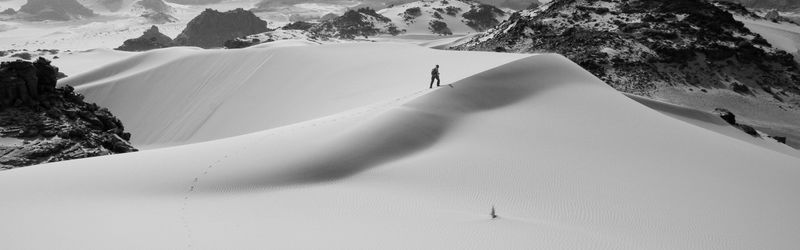
The World in Its Extreme
A 17,000-word exploration of the Sahara Desert, the hottest place on Earth.
A 17,000-word exploration of the Sahara Desert, the hottest place on Earth.
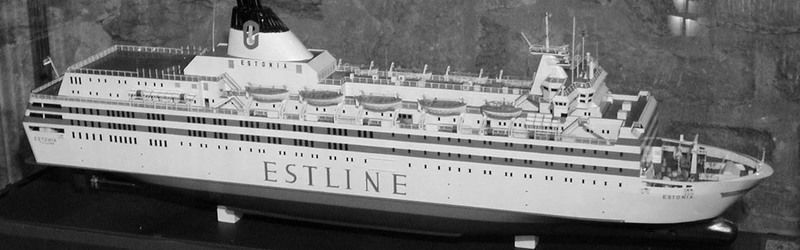
The Estonia was carrying 989 passengers when it sank in 30-foot seas on its way across the Baltic in September 1994. More than 850 lost their lives. The ones who survived acted quickly and remained calm.
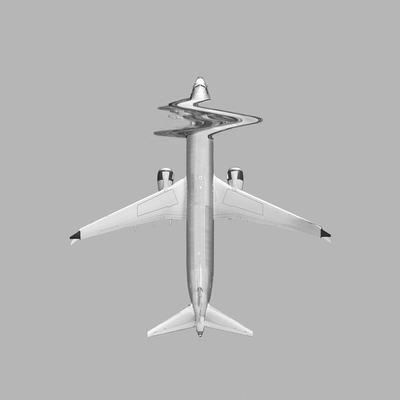
Malfunctions caused two deadly crashes. But an industry that puts unprepared pilots in the cockpit is just as guilty.

Five years ago, the flight vanished into the Indian Ocean. Officials on land know more about why than they dare to say.
The unsolved mystery of the soldier who died in the watchtower.
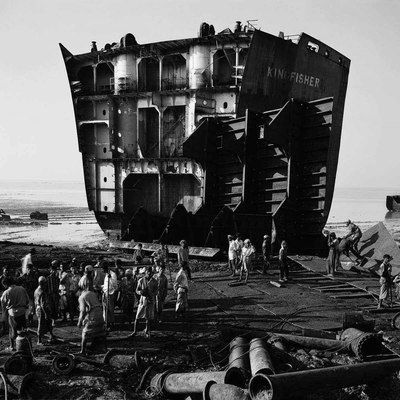
On a desolate, six-mile stretch of Indian beachfront, the bulk of the world’s big ships are dismantled for scrap. Though a ship is usually worth over $1 million in steel, the margins are low, the leftovers are toxic, and the labor—which employs huge numbers of India’s poor—is wildly dangerous.
Inside the worst U.S. maritime disaster in decades.
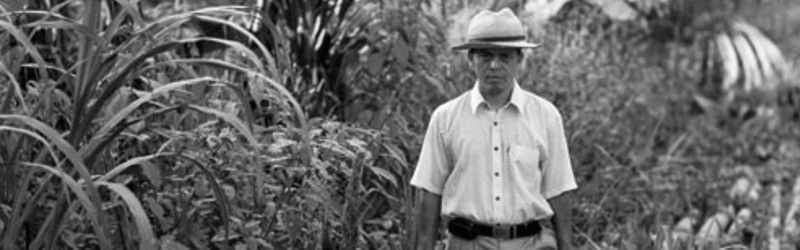
It’s the biggest environmental lawsuit in history. The people of Lago Agrio, an oil-rich area in the Ecuadorean Amazon, are suing Chevron for $6 billion after decades of spills. The case has been underway since 1993.
Exploring the crime-ridden depths of the internet with Opsec, a former professional hacker.
How Chesley “Sully” Sullenberger and his Airbus A320 landed safely in the Hudson.
There were so many ways the two planes could have avoided the collision. The odds were so slim. But high above the Amazon in 2006, a combination of technology and human fallibility brought them together.
How PCC, once an inmate soccer team and now Brazil’s most notorious prison gang, coordinated seven days of riots throughout São Paulo using mobile phones.
Investigating a pilot’s choice and the death of 217 people.
When massive ships sink, burn, fall apart or get stuck, their owners call Nick Sloane. His job: figure out how to save as much as he can.
On the crash of Air France Flight 447.
Embedded with G4S, the world’s largest private army.
Exploring the vast underground world of New York City with three of the people who know it best.
On Felix Baumgartner and his 24-mile jump.

Life in the French Foreign Legion.
A profile of wine critic Robert Parker.

The enduring system of organized crime in Naples.
Looking for holes in the world’s nuclear security.
Inside the world of air-traffic controllers.
Did A.Q. Khan sell nuclear secrets on the black market? The fame had unbalanced him. He was subjected to a degree of public acclaim rarely seen in the West—an extreme close to idol worship, which made him hungry for more. Money seems never to have been his obsession, but it did play a role.
The unlikely ascent of A.Q. Khan, the scientist who gave Pakistan the Bomb, and his suspicious fall from grace.

