Outside the Manson Pinkberry
On Manson bloggers, murder fandom and being a sad, dark teen.
On Manson bloggers, murder fandom and being a sad, dark teen.
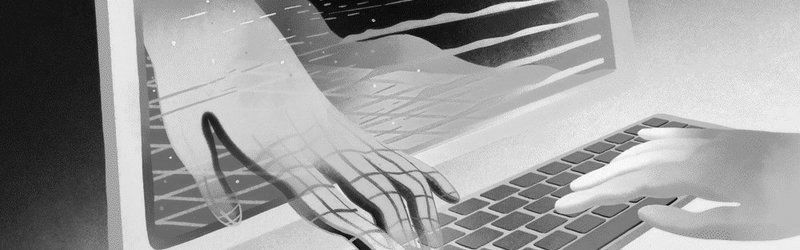
Here I should conjure my sister for you. Here I should describe her, so that you feel her absence as I do—so that you’re made ghostly by it, too. But, though I’m a writer, I’ve never been able to conjure her.
Oral histories from the California wildfires.
When I say I have a crush on you, what I’m saying is that I’m in love with the distance between us. I’m not in love with you: I don’t even know you. I’m in love with the escape that fantasizing about you promises. Poisoned, stung, bitten and bridled. The promise of being ground down until I disappear.
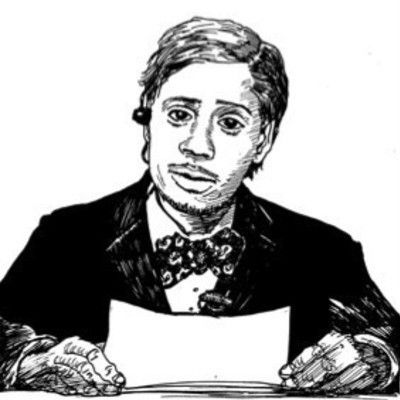
Searching for Dave Chappelle ten years after he left his show.
Las Vegas is both stranger and more normal than you might imagine, and for some reason, people don’t think anyone lives there.
I don’t want my part to get skipped over, but I still don’t know how to write directly about what went down between me and M. All I can do is worry a detail like an R&B singer worries a line.
The immersive mise en scène of a 2010 Hollister flagship store, redolent of California beach towns that don’t exist, “lazy, hygienic sexuality,” and weed.
How is it that literature has produced a wealth of information about the sex lives of straight white men and yet so little about the abortions they have or have not paid for?
Confronting a body excluded from beauty amid Italy’s natural splendor.
As psychiatrists and philosophers begin to define a pervasive mental health crisis triggered by climate change, they ask who is really sick: the individual or society?
A visit to a colonial debutante ball in Texas, where girls wear hundred-pound dresses and pretend to be Martha Washington.
Firsthand accounts of the largest and most ambitious internment drive of a minority group since Nazi Germany, emerging from a region of totalitarian surveillance and control.
How David Bazan’s music inspired a generation of young, questioning Christians.
Vivia, an intellectually disabled woman, had long wanted a child but decided instead to adopt a doll.

On the curious life of Archibald Butt, confidant to President Taft and tragic victim of the sinking Titanic.
As much as the narrative of Butt’s heroism meant to the family, to the White House, to the military, it seems all too cinematic. The reality is that the experience was probably a great annoyance to him, right up until the moment it became a nightmare.
On the lost-children stories of Australia.
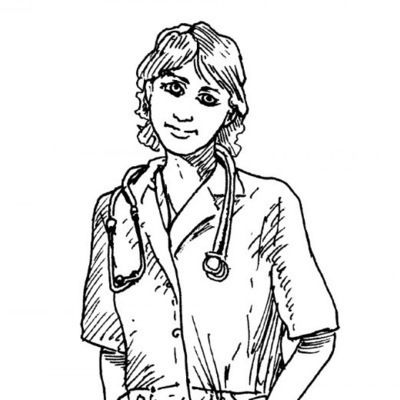
On medical acting and real pain.
The secret diary of Nina Simone.
A horse lover visits Chincoteague Island to investigate a transcendent childhood love.
Whiteness as disease in a skin-cancer ridden Australia.
“It takes this huge amount of will and energy for anything to happen to you.”
An argument on the meaning of Cubism settled.
The story of pianist Bill Evans and his lifelong obsession with a single song.
In 1963, a Palestinian teenager was an exchange student in a rural Minnesota town. Fifty years later, he went back.

