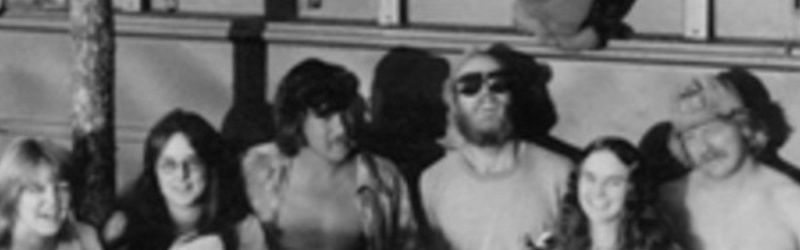
Coronado High
How a group of hippie surfers and a former Spanish teacher built the largest weed-smuggling empire on the West Coast.
Showing 25 articles matching fccoins26 Coinsnight.com FC 26 coins 30% OFF code: FC2026. The best place for game coins.28oS.
How a group of hippie surfers and a former Spanish teacher built the largest weed-smuggling empire on the West Coast.
A profile.
An interview with Allee Willis, the late songwriter behind Earth Wind & Fire’s “September” and the Friends theme song, on creating the world you want to live and work in and throwing virtual parties.
Covid-19 has cemented the e-commerce giant’s hold on the economy — but it has also spurred employees all around the country to organize.
Selling the story of disinformation.
The 1966 Esquire profile, with notes from the author.
On Thursday, October 10, Gay Talese will tape a live episode of the Longorm Podcast at NYU. The event is free and open to the public.
“Adaptation is one explanation of how a lot of executives stay alive. As the fish in the Silurian rivers began to develop swim bladders in order to live in shoal waters, so American executives have developed certain compensating features. The process can be observed particularly in the big cities where conditions are the most trying. Executives have developed an insensitivity to noise, an uncanny time sense (needed in commuting), and an attunement to the city’s terrifying rhythms. Instead of trying to escape the phenomenon of modern life they fling themselves at it.”
The changing landscape of the Lower Ninth Ward in post-Katrina New Orleans:
There have been sightings of armadillos, coyotes, owls, hawks, falcons and even a four-foot alligator, drinking from a leaky fire hydrant. Rats have been less of a problem lately because of the stray cats and the birds of prey. But it’s not just animals that emerge from the weeds.

“Anna looked at the soul of New York and recognized that if you distract people with shiny objects, with large wads of cash, with the indicia of wealth, if you show them the money, they will be virtually unable to see anything else. And the thing was: It was so easy.”
Like hundreds of other local slaves — [they] had been pressed into service by the Confederates, compelled to build an artillery emplacement amid the dunes across the harbor. They labored beneath the banner of the 115th Virginia Militia, a blue flag bearing a motto in golden letters: “Give me liberty or give me death.”
A profile of the up-and-coming comedian just after the cancellation of his VH1 talk show, Late World with Zach. His sentiment at the time: “Hollywood is just such a fucking idiot machine.”
Untouched by Western journalists except in the presence of American troops, Afghanistan’s Korengal Valley was once the most violent part of the Afghan War.
A profile of Afghanistan’s outgoing president.
The volcanic ash cloud from Eyjafjallajokull has caused travel chaos and misery. But we were lucky. An eruption in the future could wipe out the human race.
Lance Stephenson, the latest in a long line of Coney Island basketball prodigies, carries a burden none of his predecessors did: restoring New York City’s reputation as the hoops capital of the world.
The greatest writers of the nineteenth century were drawn to the North Pole. What did they hope to find there?
How the crash of Malaysia Airlines Flight 17 rippled around the world, from the battlefield of Ukraine to Schiphol Airport in Amsterdam to the White House.
Seventeen years before the Stonewall Riots, Dale Jennings proclaimed to a California court that he was a homosexual. It was the first glimmer of a civil rights revolution. This is the story of an unsung, and reluctant, hero.
The corruption and cruelty of the state’s response to suspected jihadis and their families seem likely to lead to the resurgence of the terror group.
It’s the epicenter of the tech industry and the wealthiest, most progressive state in the union, but homelessness is surging — and no one can agree on how to fix it.
Twenty years ago my hometown made national headlines when the local college staged an internationally acclaimed play about gay men and the AIDS crisis. The people I grew up with are still feeling the aftershocks.
Zacharias Holmes grew up idolizing the anarchy of ‘Jackass.’ Then he took his idols’ vision of chaos to a whole other level. This is the story of Zackass, the Most Self-Destructive Man in America.
Hamid Abd-Al-Jabbar and David Thompson bonded in juvenile detention in the 1980s, then spent most of the next 40 years in prison. When they emerged from one of the country’s most unforgiving state penal systems, their friendship proved crucial.
The writer and his oldest friends reunited to mourn the ones they lost—and honor the time they have left.
A Monrovia travelogue:
Even Liberia's roots are sunk in bad faith. Of the first wave of emigrants, half died of yellow fever. By the end of the 1820s a small colony of 3,000 souls survived. In Liberia they built a facsimile life: plantation-style homes, white-spired churches. Hostile local Malinke tribes resented their arrival and expansion; sporadic armed battle was common. When the ACS went bankrupt in the 1840s, they demanded the 'Country of Liberia' declare its independence.

